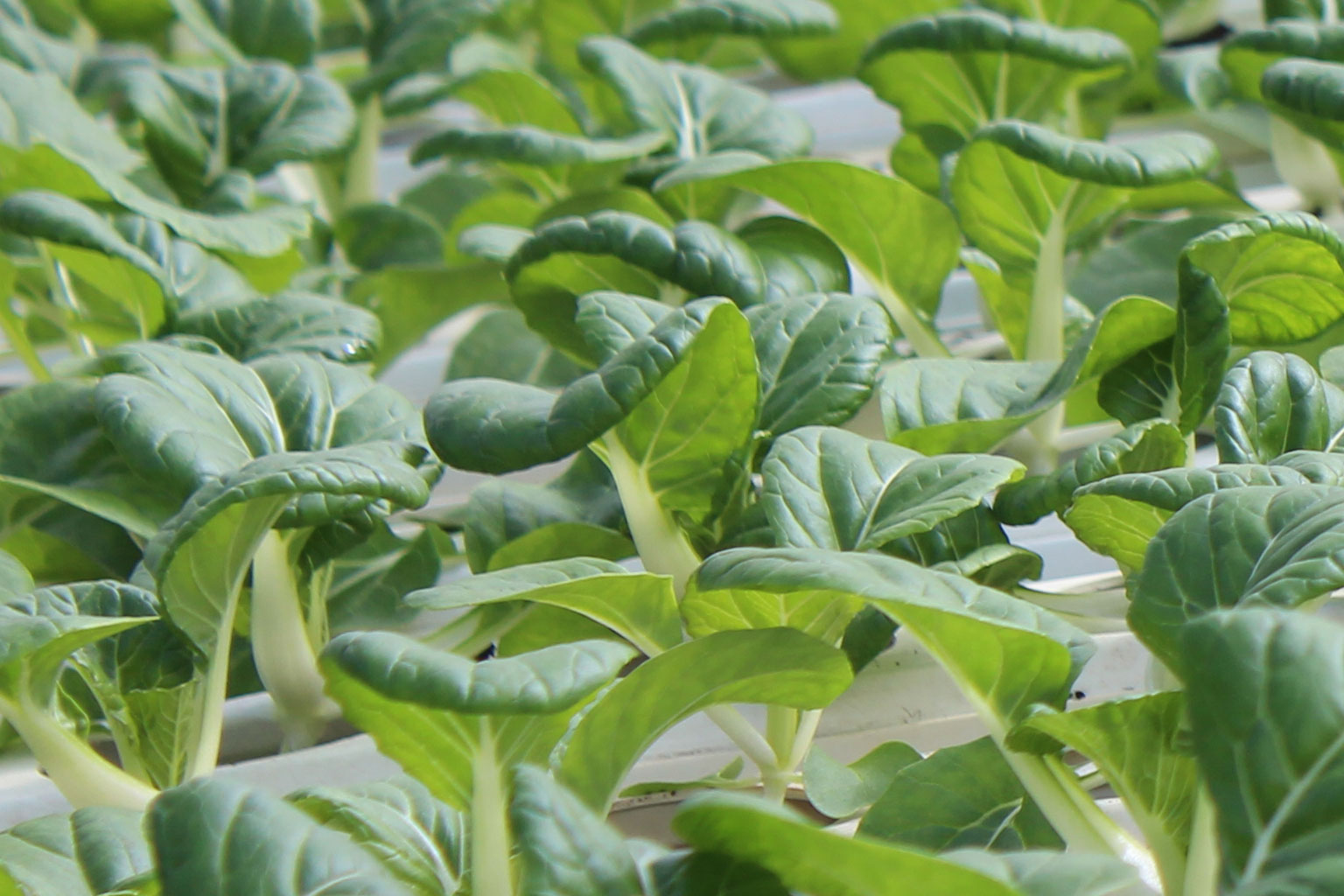
What is Pak Choi?
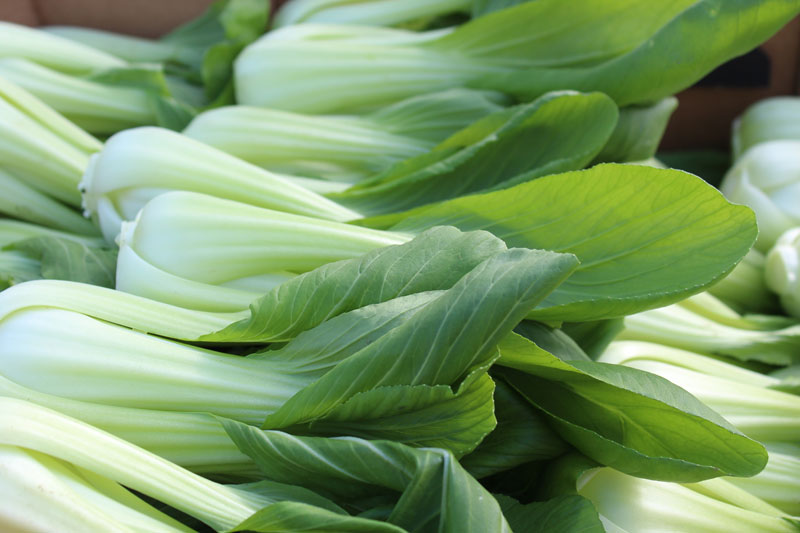
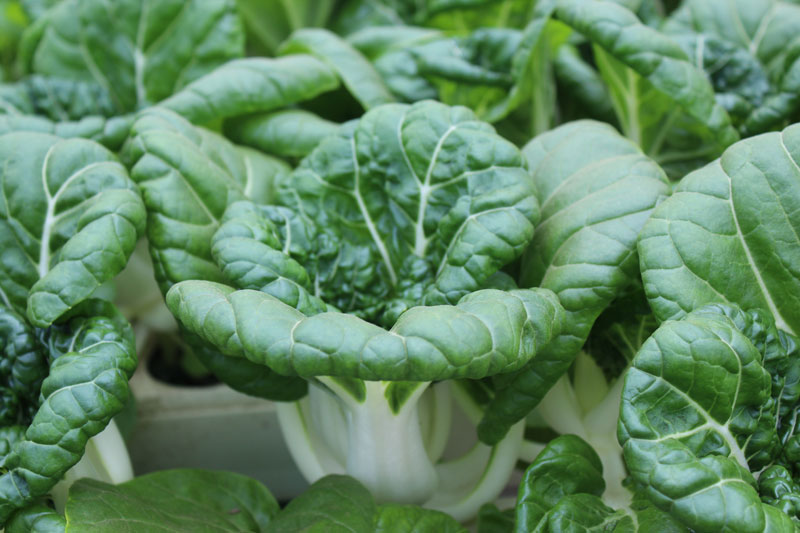
Pak Choi / Bok Choy / Chinese Cabbage (Brassica chinensis) is a member of the mustard family. Pak Choi and its variations are amongst the most popular vegetables used in Chinese cooking, and is now an everyday ingredient in European cooking. The name "Pak Choi" means "white vegetable" in Chinese.
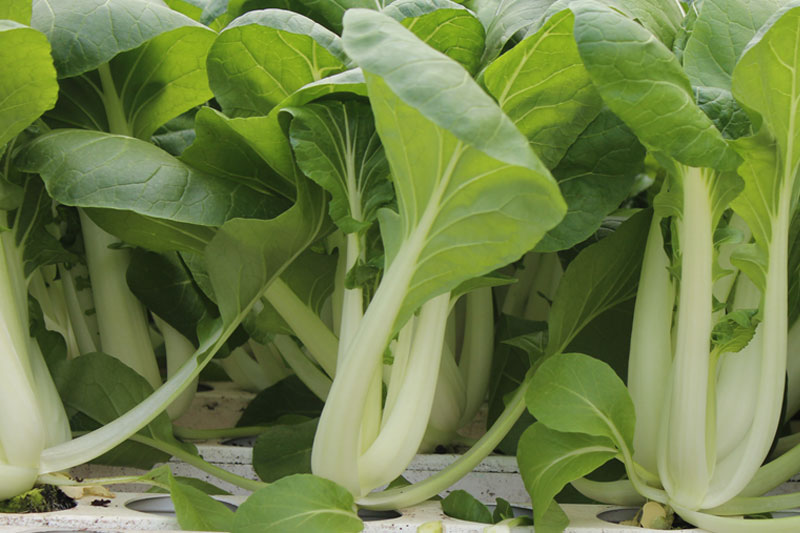
Pak Choi leaves are soft and succulent, with crunchy white or green stalks and young sweet flavoured flower shoots. The whole plant is edible. Pak Choi has a slight mustard flavour taste, which makes it a complimentary addition to stir-fries, soups, noodle and meat dishes and salads.
Other Names
Bok Choy, Bai Cai (Bai Tsai), Cai Trang, Pe Tsai and Pechey.
Availability
Mini Pak Choi
- Jan
- Feb
- Mar
- Apr
- May
- Jun
- Jul
- Aug
- Sep
- Oct
- Nov
- Dec
- Jan
- Feb
- Mar
- Apr
- May
- Jun
- Jul
- Aug
- Sep
- Oct
- Nov
- Dec
Green Pak Choi
- Jan
- Feb
- Mar
- Apr
- May
- Jun
- Jul
- Aug
- Sep
- Oct
- Nov
- Dec
- Jan
- Feb
- Mar
- Apr
- May
- Jun
- Jul
- Aug
- Sep
- Oct
- Nov
- Dec
AvailableLimited
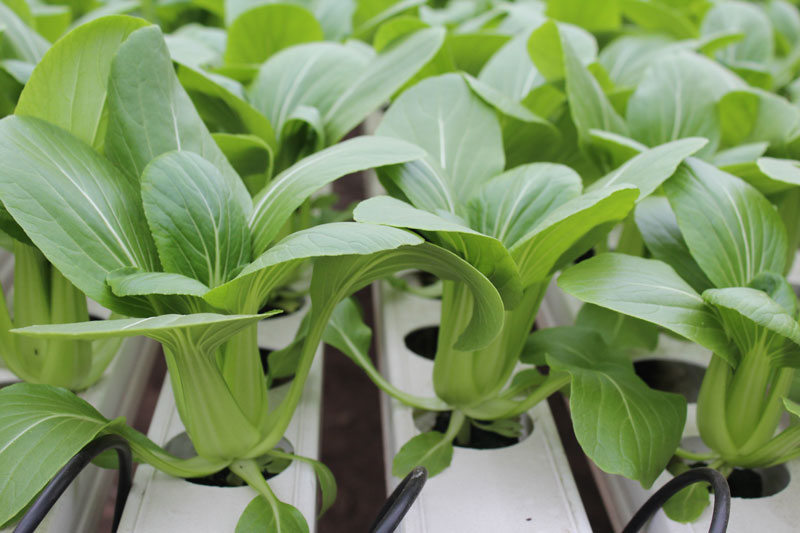
The majority of our Pak Choi is grown using our cutting-edge hydroponics system, which enables us to grow and supply UK Green Pak Choi and Mini (Baby) Pak Choi all year round for our customers.
Where to buy Pak Choi?
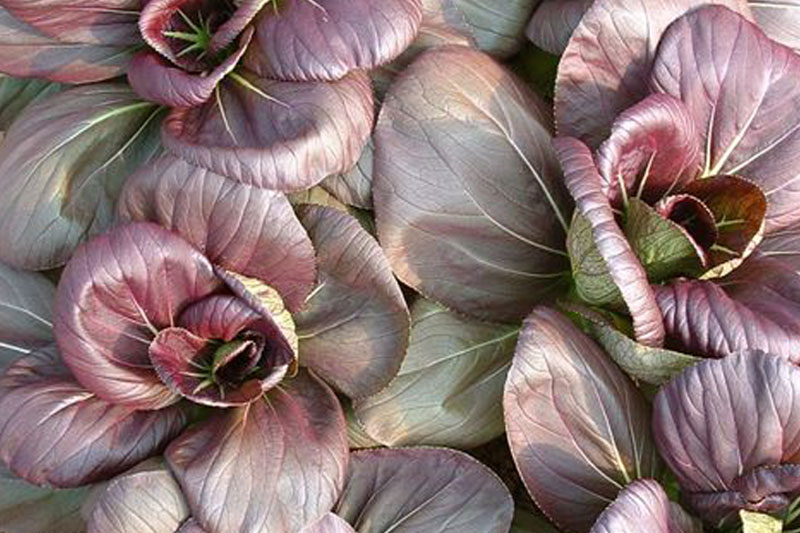
This is one of the most popular Chinese vegetable worldwide and can be found in most large UK Supermarkets and specialist outlets. The most popular varieties in the UK are Baby White Pak Choi and Green Pak Choi; an example of a less common variety is the Purple Pak Choi.
For trade sales enquiries, please contact office@rokewood.co.uk or call us on 01945 583033.
Storing Pak Choi
Keeps well in fridge for up to 5 days if purchased fresh, discard any yellow or wilting leave.
How To Prepare & Cook Pak Choi
Wash and remove any wilted leaves. The leaves cook much quicker from the stems, so you might want cut the leaves from the stems and add just towards the end of cooking. Alternatively, if you want to put leaves and stems in the pan at the same time, cut the stems into wide strips and the leaves into finer strips. Very young or mini pak choi is usually tender and can be left whole, or halved or quartered.
Pak Choi has a very mild flavour so it's best to steam or stir-fry with other strong flavoured vegetables or main dish. It is also important not to over-cook it, you want to retain the juicy crunchiness of the stem bases.
Pak Choi should only take 2-3 minutes to cook in a steamer
Stir-fry in a frying pan or wok, cook over a high heat with 1 tbsp of vegetable or nut oil for 2 minutes - make sure you keep stiring!
It can also be dried by dipping the leaves in boiling water and hanging them out to dry in the sun for several days. Drying enables this highly perishable vegetable to be stored for winter months.
Our Top Pak Choi Recipes
One of our all time favourite is Pak choi with scallops, which was originally published in the Telegraph Newspaper.
Try our other easy Pak Choi recipes: Stir Fry Green Pak Choi | Soup noodles with Pak Choi
Don't limit your Pak Choi recipes to Oriental dishes, its super mild taste would be suited to all culinary appetites!